Bond Street shop waste rules and pickup in Mayfair W1K
Posted on 09/10/2026
Bond Street shop waste rules and pickup in Mayfair W1K: a practical guide for retailers
If you run a shop near Bond Street, you already know waste is never just "rubbish". It is part of the daily rhythm of trading: boxes arriving before opening, packaging building up by lunch, and a narrow pavement that has no patience for clutter. Bond Street shop waste rules and pickup in Mayfair W1K can feel simple at first glance, but in practice they touch collection timing, storage, access, recycling, staff routines, and the very visible standards expected in this part of London.
This guide breaks the process down in plain English. You will learn how shop waste pickup typically works in Mayfair W1K, what usually causes problems, how to keep your premises tidy without upsetting neighbours or blocking the street, and when a professional clearance service makes the whole thing easier. If you also manage offices, refurbishments, or mixed-use premises, you may want to look at our services overview and our rubbish collection in Mayfair page for broader support.
Truth be told, most waste issues around Bond Street are not dramatic. They are usually the small, annoying things that build up: a missed collection, a broken cardboard pile leaning against a doorway, a delivery driver leaving film wrap in the wrong place. And that is exactly why a clear process matters.
Why Bond Street shop waste rules and pickup in Mayfair W1K Matters
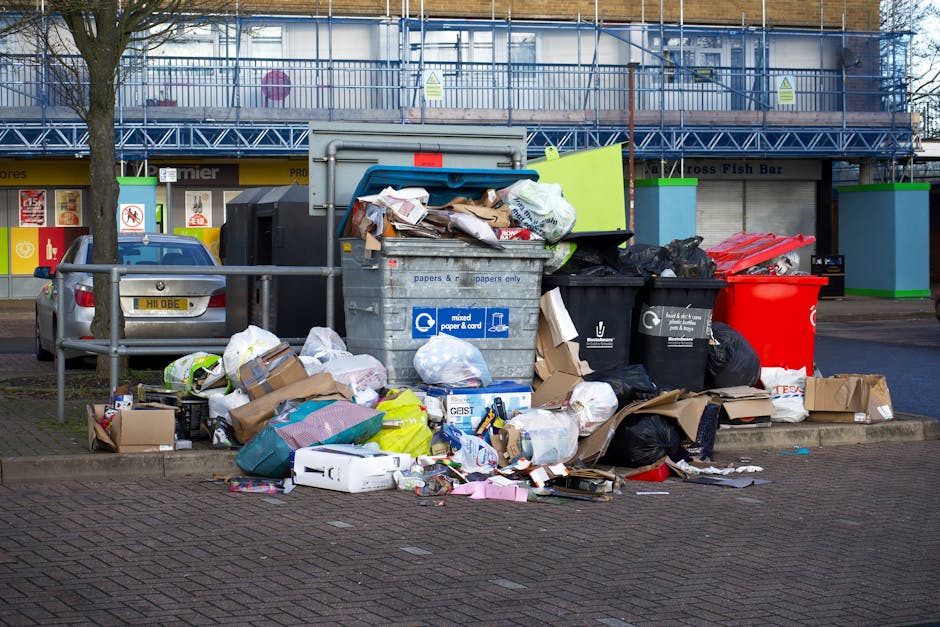
Bond Street sits in one of London's most visible retail environments. That visibility changes everything. Waste that might be overlooked in a back-street unit can become a problem very quickly in Mayfair W1K, where frontages are close together, footfall is high, and the look of the street is part of the business itself. A few bags left out too early, a cardboard stack slipping into the walkway, or a delivery crate waiting around "just for ten minutes" can create friction fast.
For shop owners, the practical issue is not only appearance. Poorly handled waste can:
- interfere with pedestrian flow
- cause complaints from neighbours, landlords, or building managers
- invite pests or smells, especially in warmer weather
- damage the professional image of the store
- lead to avoidable collection delays or additional costs
In busy retail areas, timing is everything. A shop that clears packaging promptly before the next delivery wave tends to run more smoothly. A shop that lets waste stack up behind the counter ends up losing space, time, and morale. Small thing? Maybe. But small things become daily headaches. And yes, they are usually the sort of headache nobody wants before opening at 9 a.m.
If you want to understand how waste handling fits into the wider local setting, our article on the hidden character of Mayfair gives useful background on why standards here are so closely watched.
How Bond Street shop waste rules and pickup in Mayfair W1K Works
The exact rules can vary depending on your premises, landlord arrangements, and local service setup, so it is wise to treat this as a practical framework rather than a fixed legal script. In general, shop waste pickup in Mayfair W1K works around three moving parts: storage, presentation, and collection.
1) Storage inside the premises
Most retailers need a tidy internal holding area for waste before collection. This might be a rear yard, a service corridor, a basement store, or a designated bin point. The key is that waste should not create a trip hazard, block emergency access, or mix in an unsafe way with stock.
Cardboard is often folded or broken down. Plastic film, shrink wrap, and mixed retail packaging are usually separated where possible. If your team is busy, a simple labelled bin or cage system can save a surprising amount of time.
2) Presentation for pickup
Collection in central London often depends on placing waste out at the right time and in the right form. That means bags closed properly, cardboard secured, and loose items kept from drifting across pavements. On a windy morning near Bond Street, even lightweight packaging can turn into a nuisance very quickly.
For larger volumes, a booked removal service may be better than relying on ad hoc handling. If you deal with frequent retail packaging, waste removal in Mayfair can be a practical option when regular store pickups are not enough.
3) Pickup and onward handling
Pickup might be scheduled, on-demand, or linked to your property's arrangements. Many businesses use a combination of internal staff prep and external collection support. The best setup is the one that keeps the shop clean without disrupting trading hours or customer access.
For a smaller retailer, that could mean a morning pickup after opening stock is sorted. For a luxury boutique, it might mean after-hours clearance so the frontage remains immaculate. Different shop, different rhythm. That's normal.
What usually sits in a shop waste stream?
- cardboard boxes and inserts
- plastic wrap and pallet film
- damaged display materials
- old shelving or fixtures during refits
- unsold packaging and non-returnable stock waste
- office waste from back-of-house administration
Where office and retail functions overlap, a separate look at office clearance in Mayfair can help you plan mixed waste more effectively.
Key Benefits and Practical Advantages
Good waste handling does more than keep the floor clear. It supports the whole customer experience. A tidy entrance looks sharper. A clean service route helps staff move faster. A sensible pickup arrangement reduces awkward last-minute scrambles. And in an area like Mayfair, that confidence matters.
Clearer shop presentation
First impressions are a real thing. You could have the best product in the postcode, but if customers step past old cartons or see a bin pile before they reach the door, they feel the mess before they feel the brand. Fair or not, that's how people work.
Better staff workflow
When waste tasks are predictable, staff spend less time improvising. One team member knows what gets flattened, another knows when the collection is due, and nobody has to ask where the tape gun went. Not glamorous, but efficient.
Less risk of disruption
Regular pickups reduce overflow. Overflow leads to blocked routes, temporary storage problems, and sometimes avoidable damage to packaging, stock, or fixtures. In a tight retail unit, that can be enough to throw off the day.
More sustainable operations
Retailers are under pressure to reduce mixed waste and improve recycling behaviour. A cleaner separation process helps. For a broader look at responsible disposal habits, see our recycling and sustainability page.
Smoother landlord and neighbour relations
Retail in Mayfair often means shared access points, managed buildings, and close professional relationships. If your waste is handled neatly, you are simply easier to live and work next to. That counts more than people admit.
Expert summary: The best waste system for a Bond Street shop is usually not the biggest or cheapest one. It is the one your team can use consistently, without creating clutter, complaints, or extra handling every week.
Who This Is For and When It Makes Sense
This topic matters to anyone operating a customer-facing premises in or around Bond Street, especially where back-of-house space is limited. The obvious users are fashion boutiques, jewellers, beauty retailers, showrooms, galleries, and premium lifestyle stores. But the same guidance also applies to cafes with retail packaging, pop-ups, concession stands, and mixed-use units.
It makes sense to formalise your waste routine when:
- you are receiving frequent deliveries
- cardboard is building up quickly
- staff are improvising collection storage
- your frontage must stay pristine
- you are preparing for seasonal retail peaks
- you are refitting, relocating, or changing displays
If your business is part of a property transaction or lease change, waste planning often gets overlooked. That is a pity, because it is one of the easiest operational issues to improve early. Our Mayfair property transactions article is a useful companion piece if you are dealing with a new lease or handover.
And if your shop is attached to a residence, or staff are managing a live-work situation, the context can be even more delicate. In that case, our guide on whether Mayfair is ideal for residents may give you a broader sense of the local environment.
Step-by-Step Guidance
Here is a straightforward way to organise shop waste pickup without making the process feel like a second job.
- Map the waste flow. Walk through the shop and note where packaging appears, where it is stored, and where it leaves the building. A five-minute walk-through can reveal an awkward choke point immediately.
- Separate waste streams early. Put cardboard, mixed packaging, and general waste in clearly different containers. The earlier the sorting happens, the less time staff waste later.
- Agree collection timings. Make sure pickup times work with deliveries, customer peaks, and building access. Avoid the messy overlap between restocking and clearance if possible.
- Check access and permissions. If a service lift, rear passage, loading point, or shared corridor is involved, confirm who controls access and what the building rules are.
- Prepare items properly. Flatten boxes, secure loose packaging, and keep heavier items easy to lift. A few extra seconds here saves a lot of awkward dragging later.
- Train staff. Even a simple one-page instruction sheet can help everyone do it the same way. Consistency beats "common sense" every time.
- Review after busy periods. Sale seasons, event weeks, and product launches often generate more waste than usual. Adjust the plan rather than hoping the old routine will stretch forever.
If you are dealing with bulky fixtures, broken display units, or refit debris, a shop may need more than a standard collection. In those cases, our rubbish clearance service in Mayfair can be a better fit than basic bin management alone.
Expert Tips for Better Results
Small tweaks make a big difference in a dense retail area like W1K. Nothing revolutionary here, just the kind of practical detail that keeps a shop running without drama.
- Use a "one-touch" waste rule. If staff handle the same box twice, the process is probably too loose.
- Keep a compact staging point. A designated area, even if tiny, is better than waste being left wherever there is space.
- Plan for weather. Wet cardboard is heavier, messier, and more likely to tear. On rainy days, timing matters even more.
- Bundle by type and urgency. Mixed waste on a collection day is fine; mixed waste all week is how shops lose order.
- Use your quieter hours. Early morning or after closing is often the cleanest window for moving waste without interrupting sales.
- Keep an eye on seasonal peaks. Christmas deliveries, sale returns, and event launches can quietly triple waste volume. It happens fast.
To be fair, the best systems are often the boring ones. Labelled, repeatable, and easy to keep up with. That's usually the sweet spot.
If your operation also handles furniture, fittings, or display changes, it can help to review furniture disposal in Mayfair alongside your retail waste plan.

Common Mistakes to Avoid
Most problems are predictable. That is the annoying part, really. The good news is that predictable problems are easier to prevent.
- Leaving waste outside too early. It can obstruct pedestrians and create a poor street presence long before pickup.
- Failing to flatten cardboard. This wastes space and makes storage look untidy very quickly.
- Mixing everything together. It slows handling and often undermines recycling efforts.
- Ignoring access limits. A collection service is no use if the route is blocked by stock cages, deliveries, or locked doors.
- Assuming staff know the system. New starters, temporary workers, and weekend teams need clear instructions.
- Leaving bulky items until the last minute. Fixtures, broken shelves, and packaging pallets need a different plan from everyday bags and bins.
One common slip in Bond Street retail is underestimating how quickly a small pile becomes visible. A stack of clean boxes by 10 a.m. can look harmless. By lunchtime, it looks like the shop has given up. Harsh, but true.
Tools, Resources and Recommendations
You do not need fancy equipment to manage shop waste well. A few sensible tools are usually enough.
| Tool or resource | What it helps with | Why it matters in W1K |
|---|---|---|
| Heavy-duty bins or cages | Containment and storage | Stops waste from spreading into customer or staff areas |
| Cardboard cutters and tape | Flattening and bundling packaging | Saves space in tight back rooms |
| Clear labels | Sorting waste streams | Reduces staff confusion and missed recycling opportunities |
| Collection schedule board | Timing and accountability | Keeps everybody aware of pickup windows |
| Professional removal support | Bulky or irregular waste | Useful when standard collection is not enough |
For businesses that want a structured disposal plan, it is worth reading the broader builders waste clearance in Mayfair page too, especially if you are renovating a shop or refreshing a unit. Refits create waste in a different class altogether.
You may also want to review pricing and quotes before booking a pickup so you understand how estimates are typically handled. And if safety is a concern during handling, our insurance and safety information is worth a look.
Law, Compliance, Standards, or Best Practice
Waste handling for shops in London is shaped by a combination of legal duties, landlord conditions, building rules, and local collection arrangements. The exact obligations can vary, so it is sensible to check the details that apply to your premises rather than assuming a one-size-fits-all rulebook.
At a practical level, good compliance usually means:
- storing waste safely and securely
- preventing public obstruction where possible
- separating recyclable material where appropriate
- using permitted collection arrangements
- keeping staff informed about site-specific rules
Best practice also means staying alert to the way the area works. Bond Street is not a place where "we will just leave it there for now" tends to age well. The street is too busy, the standards are too visible, and the space is too limited.
If you are unsure about your arrangements, a polite check with your building manager, landlord, or chosen waste contractor can save a lot of trouble later. If the issue is more about privacy or operational terms, our terms and conditions and privacy policy pages provide the usual service framework.
For a company overview and trust-building context, you can also read about us. It is often reassuring to know who is handling removal work before you hand over access to a busy site.
Options, Methods, or Comparison Table
Different shops need different waste solutions. Here is a simple comparison to help you decide what fits your operation best.
| Method | Best for | Strengths | Watch-outs |
|---|---|---|---|
| In-house bin routine | Small shops with steady low volume | Low cost, simple to manage | Can overflow fast during busy trading periods |
| Scheduled collection service | Retailers with predictable waste volumes | Reliable, easy to plan around | Needs good access and disciplined preparation |
| Ad hoc rubbish clearance | Seasonal surges or one-off clear-outs | Flexible and fast | May cost more than routine collection |
| Bulky item removal | Fixtures, display units, old stock handling | Suited to large or awkward items | Requires clear loading space and timing |
| Skip hire | Refits or heavier ongoing waste | High capacity, useful on bigger jobs | Space, permits, and street constraints can make it impractical in central areas |
For many Bond Street retailers, a skip is not the first answer. Space is precious, footfall is constant, and access can be awkward. In those cases, a direct collection or skip hire in Mayfair comparison is worth reviewing before you commit to anything bulky sitting outside for days.
Case Study or Real-World Example
Imagine a small premium clothing boutique just off Bond Street. Deliveries arrive mid-morning, packaging builds up behind the till, and staff have been storing flattened boxes in a narrow rear room. For weeks, it works "well enough". Then a seasonal launch hits, the back room fills up, and a late collection clashes with an incoming rail delivery. Suddenly the team is moving boxes around every hour and customers are squeezing past a messy corner.
What changed? Nothing dramatic. The volume simply outgrew the routine.
The fix was straightforward. The shop introduced a clearer waste sort, moved cardboard handling to a pre-opening slot, booked a scheduled pickup twice a week, and reserved one small area for same-day collection only. They also trained weekend staff on what to flatten, what to bag, and what must never be left in the corridor. It was not glamorous. But it worked. The store looked calmer, staff stopped improvising, and the frontage stayed presentable even on busy days.
A similar approach often helps businesses near Grosvenor Square too, especially when bulky waste becomes part of the picture. If that sounds familiar, our Grosvenor Square bulky waste pickup guide may be a useful next read.
Practical Checklist
Use this checklist before your next pickup or waste review. A quick scan now can save a lot of shuffling later.
- Waste storage point is clearly marked
- Cardboard is flattened before pickup
- General waste is bagged securely
- Recycling streams are separated where possible
- Collection times do not clash with deliveries
- Access routes are not blocked
- Staff know where to place each waste type
- Bulky items are identified in advance
- Landlord or building rules have been checked
- There is a backup plan if a pickup is delayed
If you can tick most of these off, you are already in a much better place than many shops. Honestly, that's half the battle.
Conclusion
Bond Street shop waste rules and pickup in Mayfair W1K are really about keeping a high-visibility retail operation calm, tidy, and workable. The ideal setup is not complicated. It is simply well-timed, well-labelled, and suited to the way your shop actually runs. Once staff understand the rhythm, the whole thing becomes much easier to live with.
The real win is not just cleaner waste handling. It is better presentation, fewer interruptions, safer storage, and less last-minute scrambling when deliveries pile up or a seasonal campaign gets busy. In a place like Mayfair, that stability is worth a lot.
If you are planning a change, dealing with bulky items, or just want a cleaner, more reliable system for your store, the next step does not need to be stressful. A short conversation can usually clarify what is possible and what will work best on site.
Get a free quote today and see how much you can save.
And if you would like to make a start, you can also contact the team here and talk through the specifics of your premises. A good waste plan should make your shop feel lighter. Not perfect. Just easier to run. That counts.



 Tipper Van - Rubbish Removal and Waste Clearance Prices in Mayfair, W1K
 Luton Van - Household Waѕte & Green Waѕte Removal Prices





