Business rubbish contracts for Mayfair shops and offices
Posted on 20/10/2026

Running a shop or office in Mayfair is a different kind of busy. Deliveries arrive before the kettle's even boiled, clients drift in and out, and waste seems to appear from nowhere: cardboard from stock, packaging from supplies, coffee cups, old fittings, confidential paper, the lot. That is exactly why Business rubbish contracts for Mayfair shops and offices matter. A good contract keeps waste moving, keeps the premises tidy, and stops rubbish from becoming one more thing that distracts staff or irritates customers.
This guide explains how business waste agreements work, what to look for, and how to choose a setup that suits a high-footfall London location. You will also find practical tips, a comparison table, a checklist, and answers to the questions people actually ask before they commit. To be fair, it is one of those topics that sounds dull until the bins are overflowing on a Friday afternoon. Then it matters very quickly.
For readers comparing wider support services as well, you may also find the services overview useful for understanding the kinds of clearance and collection options commonly used in the area.
Why Business rubbish contracts for Mayfair shops and offices Matters
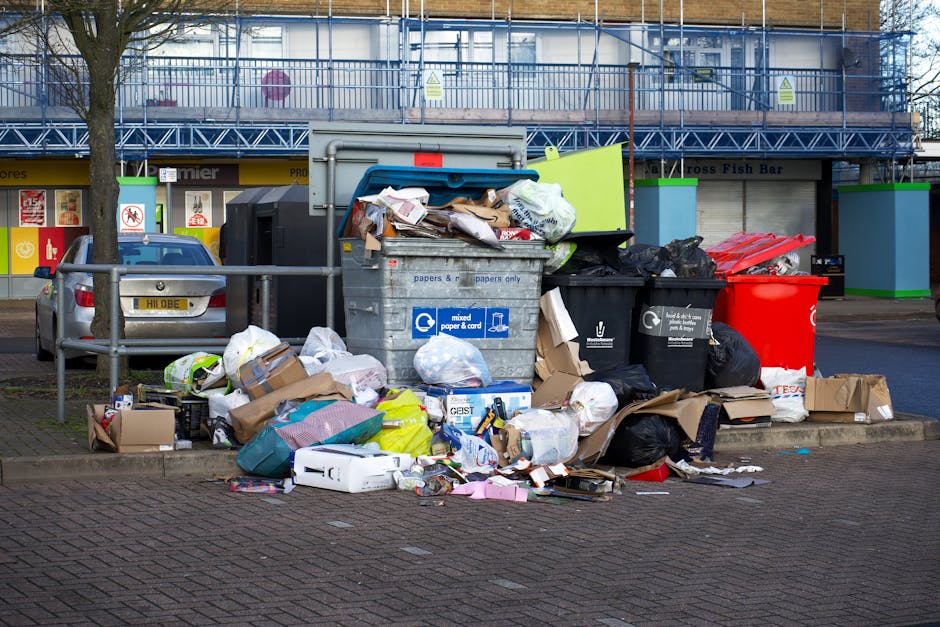
Mayfair is not the sort of place where waste can be left to pile up until someone gets around to it. Shops need a clean frontage. Offices need a professional feel. Landlords and managing agents expect standards to be kept. And customers notice more than businesses sometimes realise. A half-full black bag by the door, a stack of flattened boxes in the wrong place, or a missed collection can change the mood of a whole space.
A proper waste contract gives you predictable collections, clearer responsibilities, and fewer messy surprises. That sounds basic, but it is the difference between a tidy back-of-house area and a bin store that slowly becomes a problem. In our experience, the businesses that struggle most are not the ones with the most waste; they are the ones without a routine.
There is also a practical cost angle. If you are relying on ad hoc clearances, staff often spend extra time shifting rubbish, and that time adds up. For shops, it can affect trading hours. For offices, it can affect productivity and presentation. And in a district like Mayfair, where image matters as much as function, that is no small thing.
Expert summary: a good business waste contract is not just about bin emptying. It is about consistency, compliance, staff convenience, and keeping a polished commercial space feeling calm rather than cluttered.
If you are weighing up whether a waste service or a fuller clearance solution is the better fit, it can help to look at related offerings such as regular rubbish collection in Mayfair or office clearance support for larger or one-off needs.
How Business rubbish contracts for Mayfair shops and offices Works
At a practical level, a business rubbish contract is an agreement for regular waste collection and disposal. It usually covers the type of waste you produce, how often it is collected, what containers are used, and who is responsible for separating recycling from general rubbish. Simple enough on paper. In the real world, it needs a bit of thought.
For a Mayfair shop, the contract might revolve around packaging, till-side waste, spoiled stock, display materials, and occasional bulky items. For an office, the picture is often paper, food waste, desk-side bins, shredding waste, and occasional furniture or equipment disposal. The point is to match the service to the actual waste stream, not the other way around.
Most good contracts begin with an assessment. That can be as straightforward as a walkthrough of the premises, a review of how much waste is generated, and a discussion about access times. In central London, access matters a lot. Tight streets, loading restrictions, shared entrances, and limited storage can all influence collection schedules. You notice the little things only when they go wrong, unfortunately.
Some contracts are fully regular and fixed, while others are flexible and scaled to seasonal demand. Mayfair shops may need more frequent collections during busy trading periods, events, or holiday sales. Offices may need adjustments when teams grow, shrink, or move hybrid. A sensible provider should help you choose the right frequency rather than simply selling you the most obvious option.
Typical elements you will see in a contract
- Collection frequency, such as weekly, twice weekly, or on a tailored schedule
- Waste streams covered, including general waste, recycling, and bulky items
- Bin size, container type, or sack-based arrangements
- Access instructions for loading bays, service entrances, or rear alleys
- Service rules for missed collections, contamination, or extra waste
- Pricing structure and any charges for additional collections or special items
For many premises, this is part of a wider waste plan rather than a stand-alone contract. That is often the smarter route, especially if your rubbish changes from week to week.
Key Benefits and Practical Advantages
The obvious benefit is that rubbish gets removed. Useful, yes, but not the whole story. A strong contract brings a handful of quieter advantages that can make daily operations noticeably easier.
- Cleaner presentation: A tidy entrance, stockroom, or office kitchen creates a better first impression.
- Less staff disruption: Teams spend less time dealing with waste, which means more time on the work they were hired to do.
- Better storage control: Regular collections prevent bins, sacks, and cardboard from swallowing valuable back-of-house space.
- More predictable budgeting: Regular service is usually easier to plan for than last-minute clearances.
- Improved compliance habits: A clear arrangement encourages better separation, handling, and record-keeping.
- Fewer awkward surprises: No one likes discovering a pile of boxes has blocked the service corridor before opening time.
There is also a softer benefit: peace of mind. When waste is handled consistently, managers stop thinking about it quite so often. That sounds minor, but in a busy Mayfair environment it is a relief. One less thing pinging around the back of your mind at 7:45 on a Monday morning.
For businesses that need a broader environmental angle, a contract can support better segregation and recycling habits too. If sustainability is part of your brand or landlord expectations, consider pairing waste contracts with guidance from recycling and sustainability information so the team understands what can be separated and why.
Who This Is For and When It Makes Sense
Business waste contracts are not only for big retailers or large corporate offices. In Mayfair, they make sense for a wide range of premises, especially where appearance, access, or regular footfall makes waste management more delicate than average.
Ideal for shops
- Fashion boutiques with regular packaging waste
- Luxury retailers with frequent deliveries and display material changes
- Independent shops where back-of-house space is limited
- Food-led businesses with mixed packaging and refuse streams
- Premises with strict frontage presentation standards
Ideal for offices
- Professional services offices with paper and confidential waste
- Co-working spaces with changing occupancy
- Small offices with no room for large internal storage
- Multi-floor premises needing coordinated collection points
- Teams generating regular packaging from supplies or mailroom activity
It also makes sense when your current setup is beginning to feel improvised. Maybe staff are putting rubbish into the wrong bin because the right one is never empty. Maybe you have a collection service, but it no longer matches your volume. Or maybe the business has grown and the old system simply cannot keep up. Happens all the time, honestly.
And if your premises are part of a wider building with shared service areas, it helps to compare your own waste plan against the building rules. That is where misunderstandings can creep in. A contract that works in a stand-alone shop may not work in a managed office block, and vice versa.
Step-by-Step Guidance
If you are setting up or reviewing a business rubbish contract, a structured approach saves time and avoids awkward gaps later. Here is a practical way to do it.
- Identify what waste you actually produce. List the main waste streams: general waste, cardboard, paper, food waste, and any occasional bulky items.
- Measure the pattern, not just the volume. Does waste build up after delivery days? Do weekends create a spike? Are there seasonal peaks?
- Check storage and access. Look at bin-store size, loading access, lift availability, service entrances, and any time restrictions.
- Decide which collections are essential. Some businesses need frequent general waste pickup; others mainly need recycling removal and periodic clearances.
- Ask about flexibility. A contract should cope with busy periods, fit-outs, stock changes, or office downsizing without becoming a headache.
- Clarify who handles contamination. Make sure staff know what goes where, because one wrong sack can cause the whole load to be treated differently.
- Review the paperwork carefully. Pricing, collection days, notice periods, and extra charges should all be clear before you sign.
- Build a simple internal routine. Assign responsibility for monitoring bins, reporting issues, and flagging changes in waste levels.
That last step sounds obvious, but it is often skipped. One person should know what is happening, even if the system is straightforward. Otherwise the bins become everyone's job, which usually means they become nobody's job.
A practical tip: do a quick walk-through at the end of the day when bins are near capacity, not first thing in the morning when everything looks neat. You will get a more honest picture of what your contract really needs to handle.
Expert Tips for Better Results
After enough waste plans, one pattern stands out: the best contracts are not necessarily the cheapest. They are the ones that fit the operation cleanly and avoid constant fiddling.
Keep recycling simple enough for staff to follow
If the rules are too fiddly, people stop bothering. A clear, well-labelled system beats a theoretically perfect one that nobody uses. Keep it obvious. Keep it easy. That is not laziness; it is good management.
Separate occasional waste from regular waste
Bulky items, old shelving, broken fixtures, and one-off clearances should not be forced into a regular contract if they happen only now and then. For those moments, a separate clearance arrangement is often more efficient. For example, a shop refit may need something closer to a focused collection service such as builders waste clearance in Mayfair rather than a standard weekly bin arrangement.
Match collection times to trading or office rhythms
If collections arrive during your busiest customer window or during staff changeover, they can create friction. Early morning, late evening, or carefully timed daytime access may work better depending on the premises. It sounds minor, but timing has a habit of making or breaking the whole thing.
Plan for the unknowns
Let's face it, businesses are rarely static. New stock, changing headcount, seasonal spikes, unexpected refurbishments, and the odd broken chair all alter waste volume. A contract with some flexibility usually saves stress later.
Keep records of recurring issues
If a bin keeps overflowing before collection day, note the day, the type of waste, and the likely cause. That gives you proper evidence when adjusting the contract rather than relying on a vague sense that "it seems busier lately."

Common Mistakes to Avoid
Some waste problems are repeated so often they almost become a pattern. The good news is that they are easy to spot once you know what to look for.
- Choosing a contract based on price alone. The cheapest option can become expensive if collections are missed or the service does not fit the business properly.
- Ignoring access restrictions. In Mayfair, access is often the hidden issue, not the volume of waste itself.
- Underestimating seasonal changes. Shop waste often rises sharply during busy trading periods; offices may shift during events, moves, or projects.
- Mixing waste types without training staff. Contamination can reduce recycling performance and create avoidable problems.
- Assuming one setup works forever. A business that was perfect twelve months ago may now need a different collection schedule.
- Forgetting contingency for bulky items. A broken cabinet, display stand, or batch of packaging can quickly overwhelm a small routine system.
One common slip-up is treating waste as a background task with no owner. That works right up until it does not. Then everyone notices at once. Funny how that happens.
If cost transparency is a concern, it is worth reviewing guidance on hidden costs in Mayfair rubbish removals so you can spot charges that might otherwise catch you out.
Tools, Resources and Recommendations
You do not need fancy systems to manage waste well. A few sensible tools and habits can make the contract much easier to run.
- Simple bin labels: Clear labels reduce confusion and contamination.
- Collection calendar: A shared calendar helps staff see when waste will be removed.
- Waste log: Note missed collections, overflow problems, or any special disposal needs.
- Staff quick guide: A one-page sheet near the bins is often enough to keep things on track.
- Photo record: If you are dealing with recurring access or overflow issues, a few dated photos can be surprisingly useful.
For businesses wanting to understand the wider service landscape, the waste removal options in Mayfair page can help place routine contracts in context, while the skip hire in Mayfair page is useful where larger project waste is involved. That said, skips are not always the neatest choice in a dense, high-end area, so it is worth weighing up the practicalities carefully.
For office-heavy premises, office clearance services can also be useful alongside an ongoing contract, especially during moves or refurbishments.
Law, Compliance, Standards and Best Practice
Any business waste setup should be handled with care. While this article is not legal advice, there are some common-sense compliance points worth keeping in mind for UK businesses operating in central London.
First, make sure waste is managed by a legitimate and appropriate service. Businesses should be able to show they have arranged responsible disposal, especially where commercial waste is involved. Good record-keeping matters. Second, keep different waste streams properly separated where possible. General rubbish, recycling, confidential paper, and bulky items all need different handling. Third, do not leave waste where it can obstruct pavements, entrances, fire exits, or shared access routes.
In a place like Mayfair, this is especially important because streets are busy, frontages are visible, and many buildings have shared access arrangements. A tidy bin area is not just nice to have; it helps with neighbour relations and building management expectations too.
You may also want to check any lease, managing agent, or building rules that affect storage, collection times, or waste presentation. Those internal rules can be just as important as the external ones in day-to-day practice. Mildly annoying, yes. Still important.
For reassurance around service quality, security, and operational care, review the provider's pages on insurance and safety and payment and security. They do not replace proper due diligence, but they help you judge whether the business takes its responsibilities seriously.
Options, Methods and Comparison Table
There is no single best waste setup for every Mayfair shop or office. The right choice depends on volume, access, waste type, and how much flexibility you need. Here is a practical comparison.
| Option | Best for | Strengths | Watch-outs |
|---|---|---|---|
| Regular business rubbish contract | Shops and offices with predictable waste | Reliable, tidy, easy to plan around | May need adjustment during busy periods |
| Flexible ad hoc collections | Businesses with irregular waste output | Useful for occasional spikes | Can become inefficient if used too often |
| Mixed regular collections plus occasional clearances | Growing businesses, refits, or seasonal operations | Balanced and adaptable | Needs a bit more coordination |
| Skip hire | Large one-off projects or bulky debris | Good for volume | Space, permits, and appearance can be issues |
| Specialist office clearance | Moves, refurbishments, or furniture disposal | Efficient for larger office jobs | Not ideal for routine everyday waste |
For many Mayfair premises, the sweet spot is a regular contract for day-to-day rubbish, with a separate plan for the odd larger job. That keeps the main operation calm and avoids forcing everything into one arrangement that was never built for it.
Case Study or Real-World Example
Picture a small Mayfair retail shop near a busy shopping street. The team receives stock deliveries several times a week, and the back room fills up with cardboard, packaging, and display waste by Thursday afternoon. At first, the shop relies on occasional extra collections. It works for a while, then suddenly does not. Bins are full before the end of the week, staff are moving boxes around to make space, and the service area starts to look tired.
After reviewing the waste pattern, the manager changes to a more structured business rubbish contract. Collections are scheduled to match delivery days, cardboard is separated more clearly, and the back room is reorganised so waste does not block access. The team also adds a basic checklist for whoever closes up at night. Nothing fancy. Just sensible.
Within a short time, the space feels easier to manage. Staff stop improvising. The shopfront looks neater. And the manager is not spending Friday evening worrying about where the next load of boxes is going to go. That is the real benefit, truth be told. Not drama, just less friction.
A similar pattern happens in offices. One firm might start with desk bins and occasional disposal, then move to a proper agreement once headcount grows. The change is usually noticed most in the kitchen, print area, and entrance. You can almost feel the difference when you walk in: less clutter, less noise, less of that "we'll deal with it later" energy.
Practical Checklist
Use this checklist before you sign or renew a waste agreement. It keeps the decision practical instead of vague.
- Have we listed all the waste types we generate?
- Do we know our busiest days and seasonal peaks?
- Is there enough storage for bins or sacks?
- Are access routes clear for collections?
- Have we confirmed collection frequency?
- Do staff know what goes in each container?
- Are extra charges and missed collection procedures clear?
- Do we have a plan for bulky or one-off waste?
- Have we checked building rules, lease conditions, or managing-agent requirements?
- Do we have a simple internal contact person for waste issues?
If you can tick most of those off, you are in a strong position. If not, that is fine too. Better to spot the gaps now than after the bins start overflowing. That part is rarely glamorous.
Conclusion
Business rubbish contracts for Mayfair shops and offices are really about keeping the working day smooth. They support presentation, save staff time, reduce hassle, and help premises stay tidy in one of London's most visible commercial areas. The best contracts are the ones that reflect the actual rhythm of the business, not an idealised version of it.
If you are reviewing your current arrangement, start with the basics: what waste you produce, how often it builds up, and where the access bottlenecks are. Once those are clear, everything else becomes much easier to judge. A good waste plan should feel almost invisible. It just works, quietly in the background.
Get a free quote today and see how much you can save.
And if you are still weighing up the right next step, take it one piece at a time. Good waste management is not flashy, but it does make a place feel properly looked after. That counts for a lot.


 Tipper Van - Rubbish Removal and Waste Clearance Prices in Mayfair, W1K
 Luton Van - Household Waѕte & Green Waѕte Removal Prices





