Mount Street flat clearance tips for Mayfair tenants
Posted on 07/05/2026
If you rent in Mayfair, you already know the pace can be a bit unforgiving. A flat can turn over quickly, a landlord may want everything pristine by noon, and Mount Street itself is not the sort of place where you want boxes, broken furniture, and odds-and-ends hanging around for days. This guide to Mount Street flat clearance tips for Mayfair tenants is designed to make the whole process calmer, cleaner, and far more manageable.
Whether you are moving out, refreshing a luxury apartment, dealing with inherited contents, or simply clearing bulky items before an inspection, the same rule applies: plan early, clear methodically, and choose the right disposal route. Done properly, flat clearance in Mayfair can be surprisingly smooth. Done badly, it becomes one of those jobs that swallows an entire weekend and still feels half-finished. Not ideal.
Below, you will find practical advice shaped around the realities of central London living: narrow access, concierge arrangements, restricted loading, careful building etiquette, and the need to dispose of waste responsibly. If you want a broader view of available support, it also helps to understand the wider range of waste and clearance services in Mayfair, especially when the job involves more than one room or a mix of bulky items.
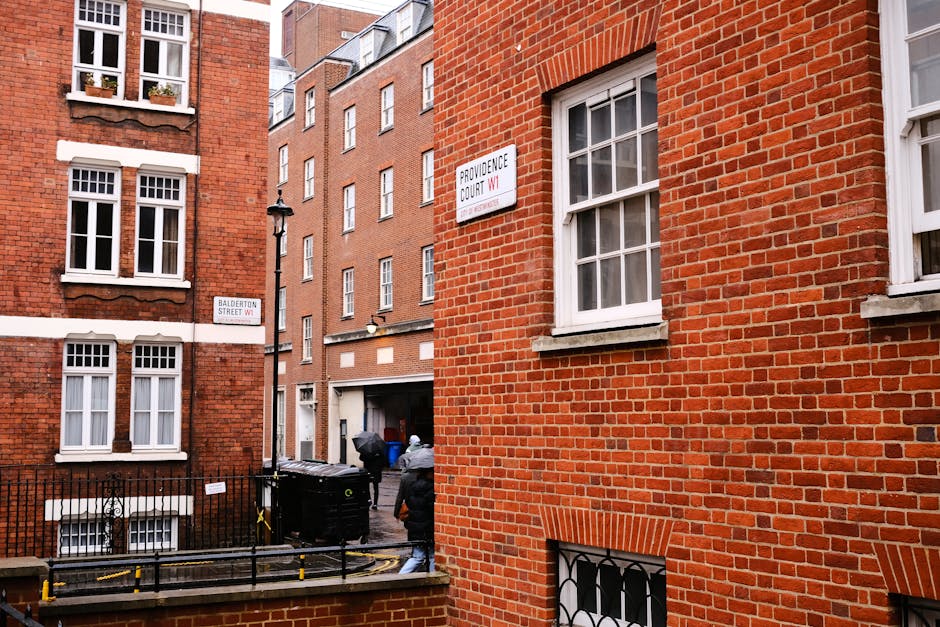
Why Mount Street flat clearance tips for Mayfair tenants matters
Mount Street sits in one of London's most polished neighbourhoods, and that creates a very specific clearance challenge. Buildings tend to be managed carefully. Entrances are often shared, concierge teams may want notice, and neighbours will not thank you for dragging a wardrobe through the hall at 7am. Truth be told, flat clearance here is as much about etiquette as it is about disposal.
For tenants, the stakes are usually practical. You may be trying to recover a deposit, avoid end-of-tenancy disputes, or hand back the flat without leaving a last-minute mess behind. For some, the goal is simply to clear out a space before refurbishment, storage, or a sale. Either way, smart planning makes a real difference.
Mayfair flats also tend to contain a mix of high-value furnishings, fragile decor, and bulky pieces that are awkward to move through period stairwells and compact lifts. A rushed approach can lead to scuffs, lift damage, or awkward conversations with building management. Nobody wants that, least of all in a smart Mount Street building where details are noticed quickly.
If you are comparing services or trying to understand what a professional team can handle, it is worth reviewing a provider's main service options in Mayfair and checking how they handle different item types, access constraints, and scheduling windows.
How Mount Street flat clearance tips for Mayfair tenants works
At a simple level, flat clearance means removing unwanted items from a property and sorting them into the right disposal routes: reuse, donation, recycling, or responsible waste removal. In a Mount Street setting, the process usually needs a bit more care because access is tighter and timing matters more.
Most clearances follow a familiar pattern:
- First, you identify what stays and what goes.
- Second, you group items by type: furniture, electricals, clothing, paperwork, general waste, and anything potentially sensitive.
- Third, you check building rules, concierge instructions, and lift or loading arrangements.
- Fourth, you decide whether you can do it yourself or need support for heavy lifting and transport.
- Finally, items are removed, sorted, and processed responsibly.
That sounds straightforward, and sometimes it is. But in a Mayfair flat, the details can be the whole story. A single sofa can be the awkward part. One old mirror can become the thing that takes twice as long as expected. One broken lamp can look trivial until you realise it must be handled as waste rather than mixed with donation items.
Professional teams working in this area often combine house clearance support with lighter-weight rubbish removal in Mayfair, depending on whether the job is a full flat clear or just a few bulky pieces.
Key benefits and practical advantages
A well-organised flat clearance is not just about getting rid of stuff. It protects your time, your deposit, and your sanity a bit, which is no small thing during a move.
- Cleaner handover: Leaving the flat tidy helps with inspections and end-of-tenancy expectations.
- Less stress: You avoid the last-minute scramble that makes moving day feel chaotic.
- Better access management: Planning ahead reduces issues with lifts, lobbies, and loading spaces.
- Improved sorting: Reusable and recyclable items are easier to separate before everything gets mixed together.
- Lower risk of damage: Proper lifting and removal reduce the chance of scratches, dents, and broken items.
- More efficient disposal: A clear plan can save multiple trips and a lot of unnecessary faff.
There is also a sustainability angle. Many tenants now prefer clearance routes that prioritise reuse and recycling where possible. That is sensible, and in Mayfair it fits the broader expectation of keeping things tidy, discreet, and responsible. You can read more about local commitments on the site's recycling and sustainability page.
Expert summary: The best Mount Street flat clearance is rarely the fastest one on paper. It is the one that is planned early, sorted properly, and matched to the building's access rules. Quietly efficient beats frantic every time.
Who this is for and when it makes sense
This guide is useful for a few different people, and the details matter because each situation brings its own pressure points.
Tenants ending a lease: If you are moving out, you may need to clear furniture, bedding, kitchenware, and items that won't be worth transporting to the next place. This is often the moment when people discover just how much they have accumulated. It happens to the best of us.
Tenants doing a mid-tenancy reset: Maybe the flat has started to feel crowded, or you want to clear a spare room, balcony, or storage area. That is often a good time to remove old furniture or bulky waste before it turns into a bigger job.
Landlords or managing agents: In some cases, a clearance is needed after a tenancy ends unexpectedly, or when a property needs to be prepared for re-let, inspection, or light refurbishment.
Tenants dealing with delicate or valuable items: If you have antiques, artwork, or higher-end furnishings, it may be worth planning the clear-out more carefully so items can be assessed for resale, donation, or storage rather than simply discarded.
Anyone with access constraints: Mount Street and surrounding Mayfair streets can make loading and timing more complicated than in a suburban setting. If the building has concierge rules or delivery slots, you will want to align around those from the start.
For readers thinking about the wider Mayfair lifestyle and property context, the local perspective in this guide to moving to Mayfair can also help set expectations around how homes here are typically managed.
Step-by-step guidance
Here is the most practical way to approach a flat clearance on or near Mount Street without turning it into a weekend-long headache.
1. Start with a room-by-room sort
Do not begin by dragging everything into one pile. That's where overwhelm kicks in. Instead, work room by room. A bedroom first. Then the living area. Then the kitchen. You will make faster decisions that way, and it is easier to spot what is actually worth keeping.
2. Separate items into clear groups
Use simple categories: keep, donate, recycle, remove, and unsure. The "unsure" pile should stay small. If it keeps growing, you are probably delaying the inevitable. A good rule: if you have not used something in a year and it has no real value, be honest about it.
3. Check the building rules before moving anything
Some Mayfair buildings have strict guidance on lift booking, service entrances, noise, and waste handling. Ask the concierge or managing agent before you start. One quiet phone call can save a lot of awkwardness later.
4. Measure bulky items and route them mentally
This sounds dull, but it matters. Measure large sofas, wardrobes, desks, and mattresses before moving day. You want to know whether they will fit through corridors, lift doors, and stair turns. In older buildings, the geometry can be the real problem.
5. Decide what can be reused
Anything in good condition should be considered for donation, resale, or storage. That includes side tables, lamps, books, kitchenware, and some soft furnishings. Just be realistic about condition. A torn chair is not "vintage". It is a chair with a tear.
6. Bag and label smaller waste
Paperwork, broken household items, loose cables, old decor, and general clutter should be bagged or boxed. Clear labels help if you are working with family members, flatmates, or a clearance team. They also speed up collection when you are short on time.
7. Book removal at the right time
Try to avoid booking too early if you are still sorting, but do not leave it until the final hour either. Midweek slots can be easier around Mayfair traffic and access patterns. If you need a service, check pricing and quotes early so you can compare options without rushing.
8. Do a final sweep
Look in cupboards, utility cupboards, under beds, behind doors, and inside drawers. The little stuff is what people forget. Chargers, remotes, spare keys, passports, and sentimental documents can disappear into the chaos very quickly.
Expert tips for better results
These are the small decisions that usually make the biggest difference.
Book access before you book the clearance. If you know the lift needs reservation or there is a short loading window, confirm that first. The clearance plan should fit the building, not the other way around.
Keep donation items separate from waste from the beginning. Once they are mixed, people tend to take the easy route and everything ends up discarded. That is a waste of useful items and, frankly, a missed opportunity.
Take photos of anything valuable or disputed. This is useful if you are sharing a flat, handling a landlord handover, or sorting items with family. It gives you a clean record of what was present and what left.
Use protective materials for fragile pieces. Even if an item is destined for disposal, a little wrap or blanket can prevent damage on the way out. It also protects hallways and lift panels, which is just good manners.
Think about noise and timing. Early mornings can be quiet, but not always practical if the building is still waking up. Mid-morning often works better. That said, each building has its own rhythm.
Ask for help before the heavy lifting starts. A wardrobe that looks manageable in theory can become a two-person job in a narrow stairwell. No heroics needed.
If the clearance involves a few extra items beyond the flat itself, such as furniture or bulky household goods, you may find the dedicated furniture disposal service in Mayfair useful for separating bulky pieces from general rubbish.

Common mistakes to avoid
Let's face it, most flat-clearance problems are avoidable. Here are the ones that show up again and again.
- Leaving everything to the last day: This creates pressure, and pressure leads to poor decisions.
- Underestimating access issues: Stairs, lifts, door widths, and concierge times can all slow you down.
- Mixing donation and waste: Once they are mixed, reusable items are far less likely to be saved.
- Ignoring building rules: A small rule breach can cause unnecessary friction with staff or neighbours.
- Forgetting storage spaces: Cupboards, loft nooks, and basements are easy to overlook.
- Assuming all waste is the same: Electricals, mattresses, and bulky furniture often need different handling.
- Not checking for personal documents: This one is especially painful. Nobody wants to realise later that important papers went out with the old magazines.
One small but common issue is the "I'll decide later" pile. It sits there in a corner, quietly growing, and suddenly it becomes the largest pile in the room. Happens all the time. Be stricter with yourself than you think you need to be.
Tools, resources and recommendations
You do not need a van full of equipment to clear a Mayfair flat, but a few simple tools make the job much easier.
- Heavy-duty bags and boxes: Good for books, mixed household items, and small waste.
- Labels or marker pens: Useful for sorting and keeping donation items separate.
- Furniture blankets or wraps: Helpful for protecting corners and surfaces.
- Gloves: Practical for handling dusty storage items or awkward materials.
- Tape measure: Vital for large furniture and tight access routes.
- Phone camera: Useful for recording item condition and room contents.
As for resources, a sensible starting point is to review the provider's company information and support pages before booking. The about us page can help you understand who is handling the job, while insurance and safety information is worth checking if the flat contains heavy or fragile items.
If you want a wider sense of how local teams approach different types of clearance work, the waste clearance in Mayfair page is a helpful reference point too.
Law, compliance, standards and best practice
For tenant clearances in London, the safest approach is to follow recognised UK waste-handling practice and your own tenancy or building requirements. You do not need to become a legal expert, but you should pay attention to a few basics.
Check your tenancy agreement. Some agreements say who is responsible for removal of items left behind, what condition the property must be returned in, and whether items can be stored temporarily in communal areas. The exact wording matters.
Follow building rules and access procedures. Mayfair properties often have house rules around service lifts, loading bays, moving times, and waste storage. Those rules are not just bureaucracy; they keep the building functioning smoothly.
Use legitimate waste handling. Under UK practice, waste should be passed to a properly authorised carrier or taken to an appropriate disposal route. If a service seems vague about where items go, that is a red flag. You want traceable, responsible handling, not guesswork.
Separate special items carefully. Electricals, batteries, paint, and some cleaning products should not be tossed into general waste without thinking. If something looks hazardous or unusual, ask before moving it.
Protect shared areas. Hallways, lifts, and entrance lobbies are part of someone else's home too. Keep routes clear, clean up spillages, and avoid dragging anything across polished flooring.
For readers who want a more formal sense of how the business approaches trust and responsibility, it is also sensible to review the site's terms and conditions and related payment and security information before proceeding. A little due diligence goes a long way.
Options and comparison table
There is no single right way to clear a flat. The best option depends on time, item volume, access, and how much help you need. Here is a simple comparison.
| Method | Best for | Pros | Watch-outs |
|---|---|---|---|
| DIY clearance | Small volumes, light items, flexible timing | Lower direct cost, full control | Time-consuming, lifting risk, transport hassle |
| Partial professional clearance | Bulky furniture, mixed waste, tight deadlines | Faster, less physical strain, better sorting support | Requires quote, access coordination, clear instructions |
| Full property clearance | End-of-tenancy handover, large or cluttered flats | Most efficient, minimal effort for tenant | Needs detailed planning, may cost more overall |
In practice, many tenants choose a mixed approach. They keep personal items, donate a few usable pieces, and bring in help for the bulky or awkward leftovers. That is often the most sensible middle ground. Not glamorous, but effective.
Case study or real-world example
Here is a realistic example. A tenant in a Mount Street flat had six days before move-out. The apartment was tidy overall, but the living room contained a heavy sofa, two armchairs, a coffee table, a TV stand, several boxes of books, and a few kitchen items that had accumulated over two years. The concierge required service access after 10am, and the lift needed to be booked in advance.
Instead of trying to do everything in one frantic push, the tenant split the job into phases. On day one, they sorted personal belongings and paperwork. On day two, they removed donation items and packed what would be kept. On day three, they measured furniture and confirmed access with the building. On day four, they booked clearance support for the bulky items. The final day was just a sweep-through and deep clean.
The result was not magical. It was simply organised. No missing documents, no damaged lift walls, no last-minute panic, and no awkward call to the landlord about forgotten clutter. The flat handover felt calm, which is rare enough in London to deserve mentioning.
If the job involves larger contents or a property that needs a more complete reset, a broader house clearance approach in Mayfair may be a better fit than a simple one-off rubbish collection.
Practical checklist
Use this before collection day. Print it, screenshot it, or scribble it on the back of an envelope if you must.
- Confirm tenancy handover date and any end-of-lease requirements.
- Check concierge rules, lift booking, and building access times.
- Sort items into keep, donate, recycle, remove, and unsure.
- Measure bulky furniture and note awkward access points.
- Set aside sensitive documents and valuables early.
- Separate electrical items, batteries, and special waste where needed.
- Pack smaller items into labelled bags or boxes.
- Protect walls, corners, and shared areas during removal.
- Book clearance support or transport in advance.
- Do a final cupboard, drawer, and storage-space sweep.
- Take photos of the empty flat if you need evidence of condition.
- Leave the space clean, ventilated, and ready for inspection.
Quick reminder: if you can make the route out of the flat easier before removal day, do it. Move small items away from doors, clear hallways, and leave yourself room to breathe. That simple bit of prep saves surprising amounts of time.
Conclusion
Mount Street flat clearance does not have to be a stressful, all-consuming job. For Mayfair tenants, the winning formula is simple: start early, sort properly, respect the building, and choose the disposal route that matches the size and complexity of the clear-out. When the process is planned well, even a compact London flat can be emptied neatly without drama.
The real aim is not just to remove items. It is to leave the property tidy, compliant, and ready for whatever comes next, whether that is a new tenancy, a refurbishment, or a final handover with no last-minute surprises. And yes, it can feel a bit like a puzzle at first, but once the main decisions are made, it all starts to click into place.
If you are comparing options for a flat clear, furniture removal, or a more complete property reset, take a moment to review the local service pages, check what level of support you actually need, and choose a method that fits your schedule rather than fighting it.
Get a free quote today and see how much you can save.
Clear the flat well, and you leave the whole move feeling lighter. That matters more than people think.



 Tipper Van - Rubbish Removal and Waste Clearance Prices in Mayfair, W1K
 Luton Van - Household Waѕte & Green Waѕte Removal Prices





